
Skylight installation: How to add natural light without adding excessive heat: common mistakes that cost you money
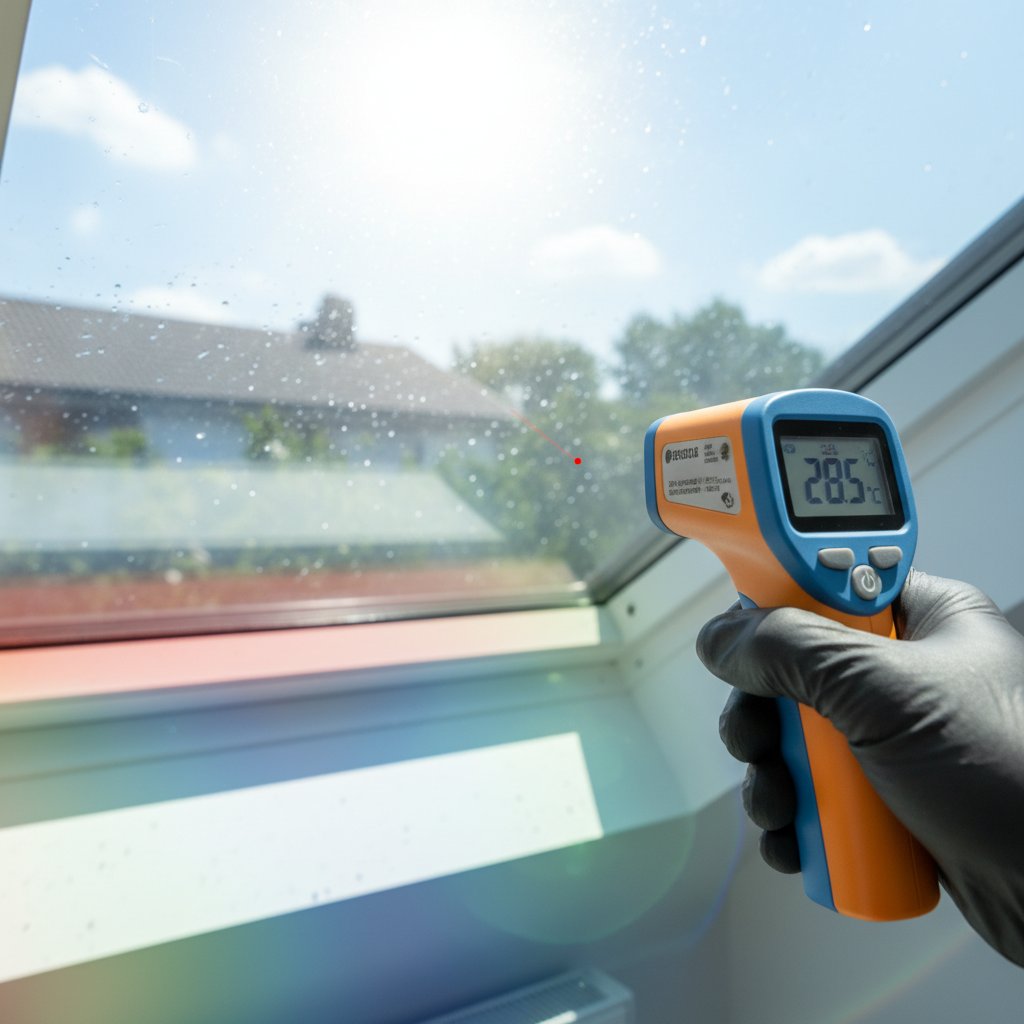
The $3,000 Mistake: Why Your New Skylights Might Be Turning Your Home Into a Greenhouse
Picture this: You've just dropped $2,500 on two beautiful skylights. The natural light flooding your once-dark kitchen is gorgeous. Fast forward three months, and you're cranking the AC to combat the sauna effect while watching your energy bills climb 30%. Sound familiar?
The battle between natural light and heat gain isn't new, but most homeowners approach it from the wrong angle. Let's break down the two main strategies people use—and why one consistently outperforms the other.
The "Standard Glass" Approach: Cheaper Upfront, Expensive Forever
Most contractors will quote you for basic double-pane skylights. They're cheaper, readily available, and technically do the job of letting light in. But here's what they won't mention during the sales pitch.
Pros of Standard Skylights
- Lower initial cost: Expect to pay $800-$1,200 per unit installed
- Quick installation: Most jobs wrap up in 4-6 hours
- Wide availability: Any contractor can source them within days
- Immediate light improvement: You'll notice the difference right away
Cons of Standard Skylights
- Heat gain increases cooling costs by 20-40% in affected rooms during summer months
- UV damage: Your furniture and flooring will fade 60% faster
- Condensation problems: Expect moisture buildup in humid climates, leading to potential mold issues within 2-3 years
- No solar control: You're at the mercy of whatever the sun throws at you
- Replacement timeline: Most need replacing within 15-20 years
The "High-Performance" Approach: Smart Money for the Long Haul
High-performance skylights with low-E coatings and proper glazing cost more upfront. But the math tells a different story when you zoom out five years.
Pros of High-Performance Skylights
- Energy savings: Reduce heat gain by 60-70% compared to standard units
- Lower cooling costs: Most homeowners see $200-$400 annual savings on AC bills
- UV protection: Block 99% of harmful rays while maintaining light transmission
- Lifespan: Quality units last 25-30 years with minimal maintenance
- Tax credits: Many qualify for federal energy efficiency rebates (currently up to $600 per skylight)
- Comfort control: Optional electrochromic tinting adjusts automatically to sunlight intensity
Cons of High-Performance Skylights
- Higher upfront investment: Plan for $1,500-$2,800 per unit installed
- Longer lead times: Specialized products may require 2-4 weeks for delivery
- Contractor expertise needed: Not every installer understands proper flashing techniques for premium units
- Complex decision-making: Multiple coating options and features can overwhelm first-timers
The Numbers Don't Lie: Five-Year Comparison
| Factor | Standard Skylights | High-Performance Skylights |
|---|---|---|
| Initial Cost (2 units) | $2,400 | $4,600 |
| 5-Year Energy Costs | +$1,800 | +$200 |
| Tax Credits | $0 | -$1,200 |
| Maintenance Issues | $400 (condensation fixes) | $0 |
| True 5-Year Cost | $4,600 | $3,600 |
| Heat Gain Reduction | 0% | 60-70% |
| UV Protection | Minimal | 99% |
The Verdict: Stop Thinking Short-Term
Here's the reality check: Standard skylights are only "cheaper" if you ignore everything that happens after installation day. By year three, you've already eaten up the savings difference in cooling costs alone.
The smart money goes to high-performance units with low-E coatings rated at 0.30 or below for Solar Heat Gain Coefficient (SHGC). Look for products with a U-factor under 0.50 if you live anywhere that sees temperature swings.
One more thing nobody mentions: placement matters more than product quality. A north-facing skylight naturally admits 40% less heat than a south-facing one. If your contractor isn't discussing orientation during the quote, find someone who will.
The costliest mistake isn't choosing the wrong skylight—it's treating this decision like a one-time purchase instead of a 20-year relationship with your electric bill.