Find answers to common questions about installing energy-efficient skylights in Singapore's tropical climate
For Singapore's tropical environment, double-glazed skylights with Low-E (low emissivity) coating are the most effective choice. These units feature two layers of glass with an insulating air gap that significantly reduces heat transfer. The Low-E coating reflects infrared radiation while allowing visible light to pass through, keeping interiors cooler by up to 30% compared to standard single-pane units.
Ventilated models with electric or manual opening mechanisms provide additional cooling benefits by allowing hot air to escape. Tubular skylights are excellent for smaller spaces like bathrooms or corridors, as they channel light through reflective tubes while minimizing heat gain. For larger installations, consider units with integrated solar-powered blinds that automatically adjust based on sunlight intensity throughout the day.
Typical HDB flats and landed properties in Singapore see electricity savings of 15-25% on lighting costs after proper skylight installation. A standard 4-room HDB flat using 400 kWh monthly might save S$15-25 per month, translating to S$180-300 annually. These savings come from reduced reliance on artificial lighting during daytime hours, which typically run from 7am to 7pm in our equatorial location.
The payback period for quality installations ranges from 5 to 8 years, depending on the number and type of units installed. Homes with north-facing installations or those using advanced glazing technologies may see slightly higher savings. When combined with LED lighting upgrades and smart home systems, total energy reduction can reach 30-35% for lighting-related consumption.
Properly specified skylights with modern thermal control features actually maintain comfortable indoor temperatures without significantly impacting cooling costs. The key lies in selecting units with Solar Heat Gain Coefficient (SHGC) ratings below 0.30, which blocks 70% of solar heat while transmitting natural light. Standard installations with these specifications add only 2-5% to cooling loads, far less than the 15-25% savings on lighting.
Strategic placement matters: north-facing installations receive less direct sunlight in Singapore, reducing heat gain by 40% compared to south-facing units. Installing automated blinds or electrochromic glass that tints during peak sun hours (11am-3pm) further minimizes thermal impact. When factoring in reduced artificial lighting heat (each bulb generates warmth), the net effect on air conditioning is often neutral or slightly positive.
For HDB flats, you must obtain approval from the Housing & Development Board before any structural modifications. This involves submitting detailed plans through a registered contractor, with processing typically taking 4-6 weeks. The application requires structural assessment reports confirming the roof can support additional loads and waterproofing details.
Landed property owners need Building Plan approval from the Building and Construction Authority (BCA) if the installation involves structural changes exceeding 1.2 meters in any dimension. Condominiums require Management Corporation Strata Title (MCST) approval before proceeding. Most professional installers handle permit applications as part of their service, ensuring compliance with SS CP65:1999 Code of Practice for Skylights and SS 530:2006 for structural safety requirements.
Leak prevention starts with proper flashing installation using marine-grade aluminum or stainless steel materials that resist corrosion in our humid climate. The flashing system must extend at least 150mm under surrounding roof tiles or sheets, with all joints sealed using polyurethane or silicone sealants rated for continuous water exposure. A raised curb design (minimum 100mm height) prevents water pooling around the unit during heavy downpours.
Professional installation includes: multiple layers of waterproof membrane, proper roof pitch consideration (minimum 15 degrees), and integration with existing drainage systems. Quality installers provide 5-10 year waterproofing warranties and conduct pressure testing before completion. Annual inspections checking sealant integrity and clearing debris from drainage channels maintain long-term protection. Units installed in areas receiving direct rainfall should include additional storm collars for enhanced weather resistance.
Singapore's climate requires bi-annual maintenance checks, ideally before and after the monsoon season (November-January). External glass surfaces need cleaning every 3-4 months to remove accumulated dust, pollen, and organic growth that reduce light transmission by up to 20%. Use pH-neutral cleaners and soft cloths to avoid scratching protective coatings.
Inspect rubber seals and gaskets annually for signs of deterioration from UV exposure and humidity. These components typically last 8-12 years but may need earlier replacement in areas with direct sun exposure. Check that ventilation mechanisms operate smoothly and drainage channels remain clear of leaves and debris. Internal condensation between double-glazed panes indicates seal failure requiring professional attention. Most maintenance tasks take 30-45 minutes per unit and can be performed by homeowners, though external cleaning of high installations should be left to professionals.
Yes, skylights effectively channel diffused daylight even on overcast days or when positioned away from direct sun. Singapore receives an average of 2,200 hours of sunshine annually, with ambient light levels remaining high even during cloudy periods. North-facing installations capture consistent indirect light throughout the day, providing 300-500 lux of natural illumination suitable for most residential activities.
Tubular skylights excel in this application, using highly reflective aluminum tubes (98% reflectivity) to channel light from roof level to interior spaces up to 6 meters away. A single 350mm diameter tube provides illumination equivalent to a 100-watt bulb during daylight hours. Light wells with white-painted interiors or reflective materials further distribute natural light across wider areas. This approach works particularly well for interior bathrooms, walk-in closets, and hallways that lack external windows.
Standard installations in existing structures take 2-4 days depending on the number of units and roof complexity. Day one involves roof cutting and structural preparation, which generates noise and dust requiring temporary relocation of furniture in affected rooms. Professional teams use containment barriers and vacuum systems to minimize mess, though expect some fine dust settlement within 3-4 meters of the work area.
Waterproofing and unit installation occur on day two, with final sealing and interior finishing on subsequent days. Weather delays are common during monsoon months, potentially extending timelines by 1-2 days. Most work occurs between 9am-5pm to comply with HDB noise regulations. Tubular installations are faster (1-2 days) with less disruption as they require smaller roof penetrations. New construction installations integrate seamlessly with building schedules, adding minimal time to overall project completion. Plan for limited roof access and potential temporary loss of ceiling fan or light fixture use in the installation area.
Our team is ready to provide detailed answers specific to your property and requirements
Contact Us TodayBringing natural daylight into Singapore homes and commercial spaces through advanced skylight technology since 2015
Utilitycorner was established in 2015 by a team of building specialists who recognized a gap in Singapore's construction market. Many property owners wanted to increase natural lighting in their spaces but faced concerns about Singapore's tropical climate and intense heat gain. We set out to solve this challenge by specializing in thermally efficient skylight systems.
Starting with just three installation teams, we've grown to serve over 800 residential and commercial clients across Singapore. Our focus has always been on combining quality materials with precise installation techniques. Each project taught us more about managing heat transfer while maximizing daylight penetration in Singapore's unique climate conditions.
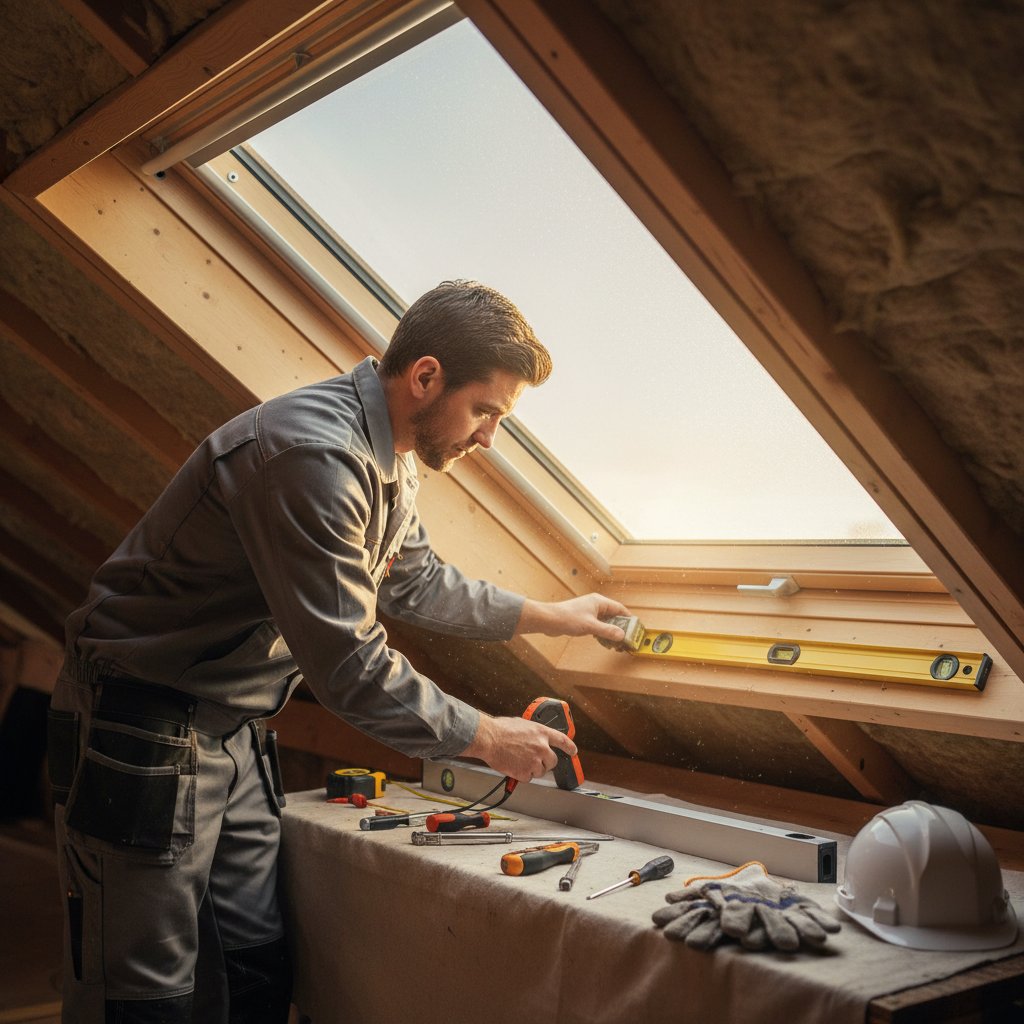
Over nine years, our 12 certified installers have completed projects ranging from small residential additions in Bukit Timah to large commercial installations in the Central Business District. We work exclusively with glazing systems that meet Singapore's Building and Construction Authority standards for thermal performance.
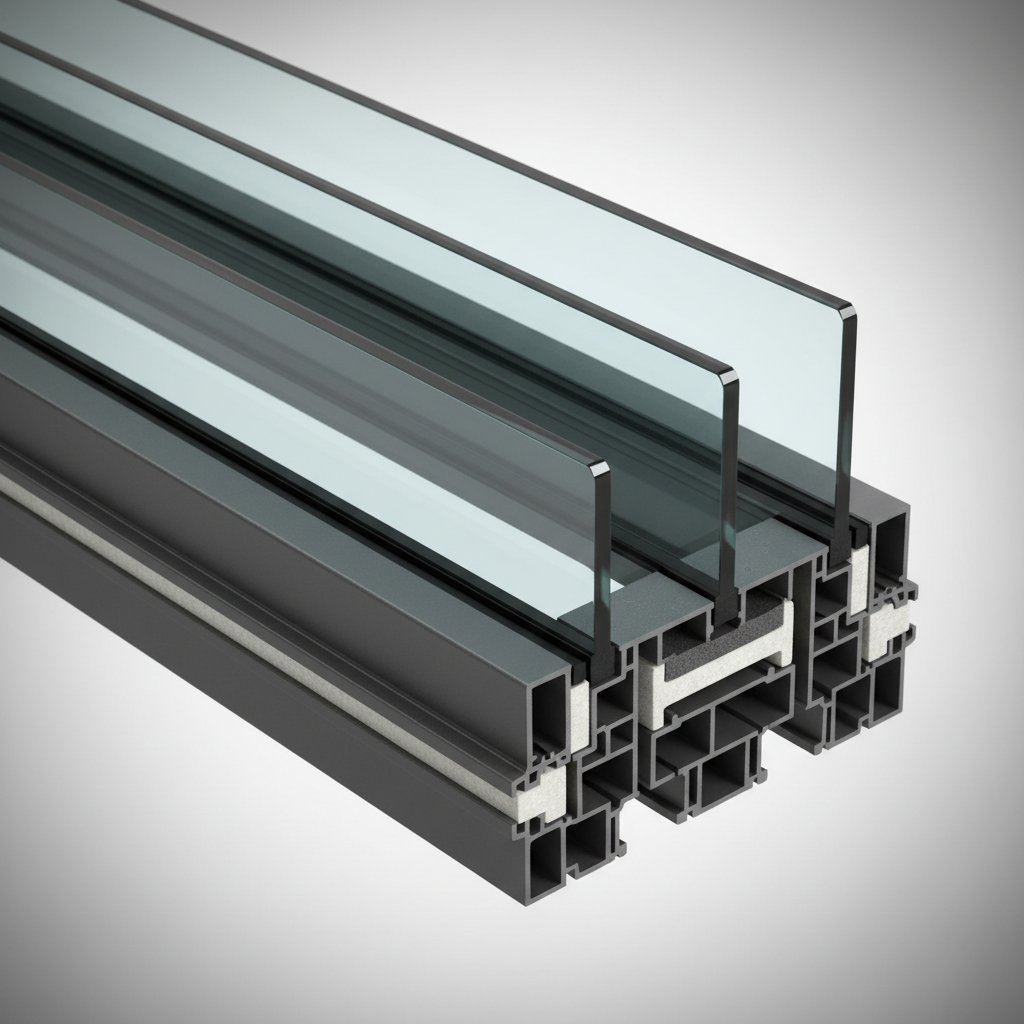
Our technical knowledge covers Low-E coatings, double-glazed units with argon fill, and ventilation integration. We've installed tubular skylights in HDB flats, fixed skylights in landed properties, and motorized opening systems in commercial buildings. Each installation type requires different approaches to manage Singapore's solar heat gain while providing adequate natural light.
We provide skylight installation services that increase natural lighting in buildings while controlling heat transfer. Our work focuses on selecting appropriate glazing systems, ensuring proper sealing, and delivering installations that perform reliably in Singapore's tropical environment.
To become Singapore's recognized specialist in thermally efficient skylight installations, known for technical accuracy and long-term system performance. We aim to help more property owners understand how modern glazing technology can deliver natural light without compromising indoor comfort.
Every installation follows manufacturer specifications and BCA guidelines. We measure, cut, and seal each skylight system to prevent water ingress and minimize thermal bridging.
We source glazing units from manufacturers with verified thermal performance data. Our suppliers provide Low-E glass with documented solar heat gain coefficients suitable for tropical climates.
Before each project, we explain glazing options, ventilation requirements, and maintenance needs. Clients receive documentation showing expected light transmission and heat gain values for their chosen system.