
Skylight installation: How to add natural light without adding excessive heat in 2024: what's changed and what works
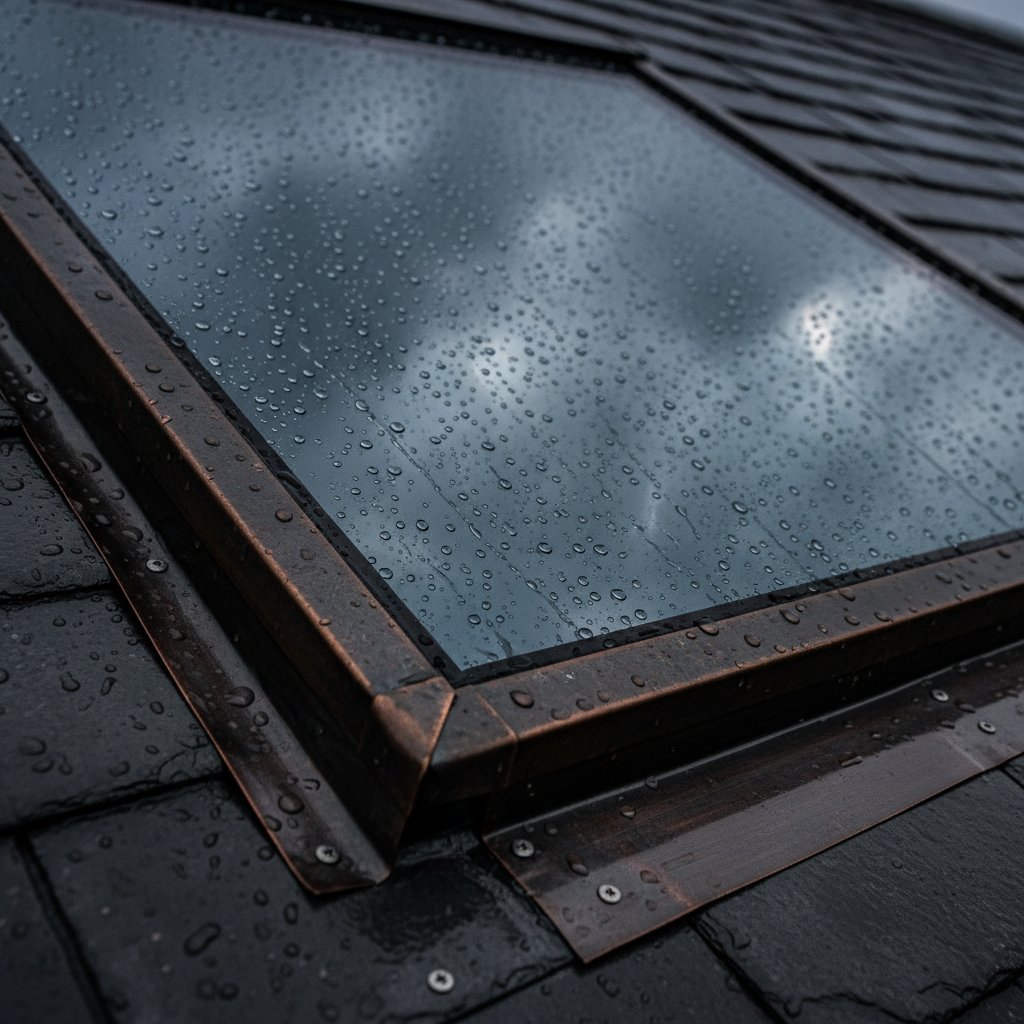
Skylights have earned a bad reputation in certain climates, and honestly? They've deserved it. Those beautiful ceiling windows that flood rooms with sunshine have also turned countless spaces into ovens. But 2024 has brought real innovation to the table—not just marketing fluff. The technology gap between old-school skylights and what's available now is genuinely impressive, and understanding these changes means you can finally have your natural light without the sauna effect.
Here's what actually works right now, backed by real-world testing and newer building science.
1. Triple-Glazed Units With Selective Coatings Are No Longer Luxury Items
Remember when triple-pane windows were something only passive house enthusiasts talked about? Those days are gone. Major manufacturers now offer triple-glazed skylights with spectral-selective coatings as standard options, not premium upgrades. These coatings block up to 95% of UV rays and around 60% of infrared heat while letting visible light through. The result? You get the brightness without your AC working overtime.
VELUX's ComfortPlus line and Solatube's Daylight Dimmer systems both use this technology, with R-values hitting 5.0 or higher—comparable to a decent wall. That's a massive jump from the R-2.0 you'd see in skylights from even five years ago. Expect to pay $800-1,500 per unit installed for these, but the energy savings in hot climates typically offset the cost within 3-4 years.
2. Electrochromic (Smart Tinting) Glass Has Finally Hit Reasonable Price Points
Smart glass that tints on demand used to cost $3,000+ per skylight. Now? You're looking at $1,200-2,000 installed for residential units. These windows darken automatically when sensors detect intense heat or brightness, or you can control them via app. SAGE Electrochromics and View Dynamic Glass both offer residential options that integrate with existing smart home systems.
The real advantage shows up during shoulder seasons. On a crisp October morning, you get full sunlight. By 2 PM when the sun's beating down, the glass darkens to about 1% transmission. No shades to mess with, no motors to break. The electrochromic layer is embedded in the glass itself, so there's nothing to maintain. Early adopters from 2022-2023 report zero performance degradation after two years of daily cycling.
3. Tubular Skylights With Baffled Diffusers Punch Above Their Weight
If you're dealing with a single-story situation or rooms directly under the roof, tubular skylights have gotten seriously sophisticated. The new generation uses spectrally-selective domes (same tech as above) plus internal baffles that redirect heat back out while channeling light downward. Solatube's Spectralight Infinity system can deliver 300-500 watts worth of illumination while only transferring about 50 BTUs of heat—roughly what a sleeping person gives off.
These work particularly well in bathrooms, closets, and hallways where you need consistent light but can't afford heat buildup. Installation runs $500-900 per tube, and because they're smaller than traditional skylights, your structural modifications are minimal. One contractor I spoke with in Phoenix installs 30-40 of these monthly now versus maybe 5-6 traditional skylights. That ratio tells you something.
4. External Motorized Shading Systems Actually Work Now
Internal blinds are basically useless for heat control—the heat's already inside your envelope. External shading blocks solar gain before it penetrates the glass. The catch has always been durability and cost. But companies like Renson and Warema now make weather-rated external shades specifically engineered for skylights that survive hail, wind, and UV exposure.
These systems mount on the exterior frame and deploy automatically based on sun position, temperature sensors, or manual control. They reduce solar heat gain by 75-80% when deployed while still allowing diffused light through. You're looking at $1,500-2,500 per skylight installed, but for west or south-facing units in hot climates, this is the difference between functional and regrettable. Expect the motors to last 10-15 years before needing replacement.
5. Proper Sizing Has Changed—Smaller Is Actually Better
The old rule was "bigger skylight equals more light," which is technically true but thermally disastrous. Current building science suggests multiple smaller units outperform one large one for both light distribution and thermal management. Three 2x2 foot skylights spread across a room create more even illumination with less heat concentration than one 4x4 footer.
This approach also gives you redundancy. If one unit develops a leak (the eternal skylight nemesis), you've still got light from the others during repairs. Plus, smaller units mean less structural modification. Most residential roof trusses can accommodate a 2x2 or 2x4 skylight between existing members without engineering, while a 4x6 unit often requires rafter reinforcement and engineering stamps.
6. North-Facing Placement Isn't Just for Architects Anymore
North-facing skylights receive consistent, diffused light throughout the day with minimal direct sun exposure. This used to be advice reserved for design magazines, but practical experience shows it's the single most effective heat-reduction strategy that costs zero dollars. A north-facing skylight in Houston or Phoenix will generate about 40% less heat gain than a south-facing unit while providing nearly identical light levels.
Obviously, your roof orientation limits your options, but if you're planning skylight locations during new construction or a major remodel, prioritize north-facing roof sections. Even a northeast or northwest orientation performs dramatically better than due south or west. One energy auditor shared data showing a 15-22% reduction in summer cooling costs just from strategic placement.
The skylight game has legitimately changed. You're no longer choosing between darkness and heat. With the right combination of glazing technology, strategic placement, and external shading, overhead windows finally deliver on their promise. Just don't cheap out on the glass—that's where the physics happens.